
Industries
Seven industries. One connected terrain.
Each sector changes where context, intelligence, and action need to connect.
Choose the operating context.
Follow the capability path shaped around the workflows, systems, and decisions in each sector.
-

CPG
Connect brand, trade, distribution, and field operations without pushing local process logic back into the enterprise core.
-

Retail
Extend store and inventory processes around the point of sale while preserving a governed path back to enterprise systems.
-
QSR / multi-location consumer businesses
Connect applications, operational context, intelligence, and action across a distributed network of consumer-facing locations.
-
Distribution
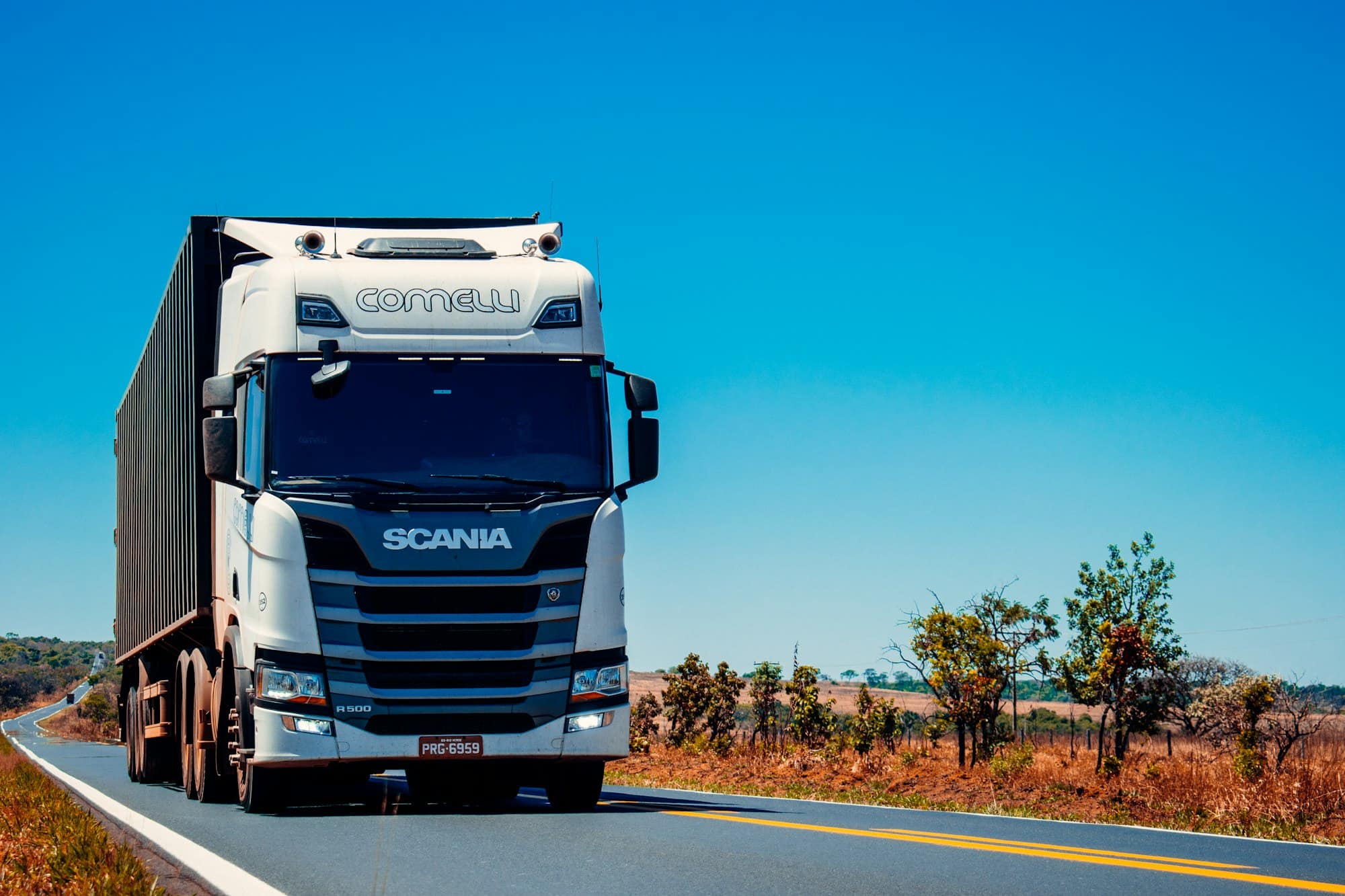
Connect dealer, order, and transportation workflows around shared commercial and operational context.
-

Manufacturing and Industrial
Connect operational extensions and governed data around the physical processes, assets, and enterprise systems that run industrial work.
-

Oil & Gas
Connect enterprise data and integration with field and asset workflows where traceability and operational context matter.
-
3PL and Transportation
Connect transportation planning, last-mile execution, exception handling, and shared visibility across the operating network.